
Our Mission
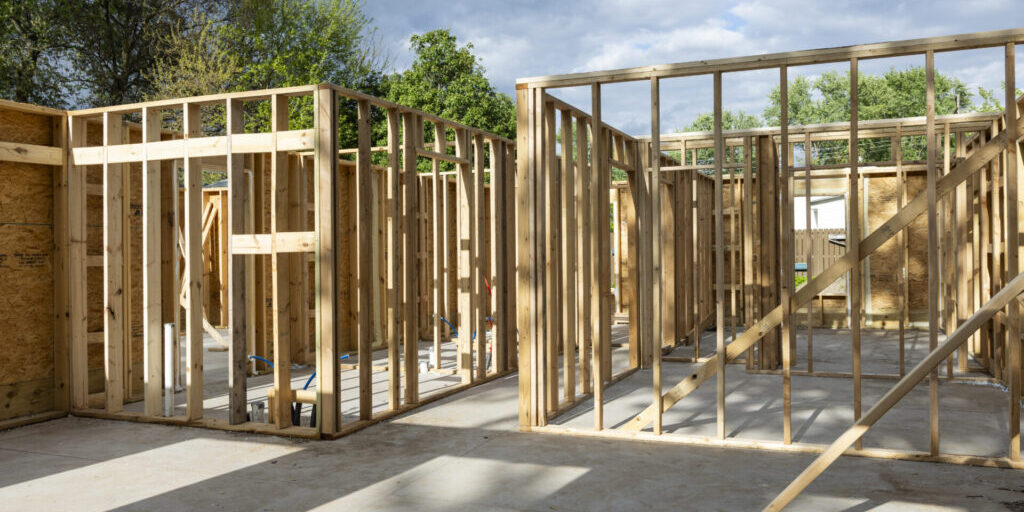
Seeking to put God’s love into action, Habitat for Humanity brings people together
to build homes, communities and hope.
Our Vision
A world where everyone has a decent place to live.
Midland County Habtiat for Humanity History
Midland County Habitat for Humanity (MCHFH) was incorporated as a Habitat for Humanity International affiliate in 1988 and built its first home the following year. Its purpose is to provide adequate and affordable housing for Midland County families in need. Using volunteer labor and donations, MCHFH builds simple houses and sells them, providing an affordable, 30 year mortgage. MCHFH holds the mortgage on the homes until it is paid off by the Partner Family.
MCHFH, like its parent organization, is based on the principle of Christian partnership, which brings together people of all races, nationalities, religions and economic levels, to help those in need. Building community is as important as building houses. That is why each partner family works with a family advocate throughout the construction process. The family advocate will answer their questions and help them build the home-ownership skills that will allow them to maintain their home for years to come. MCHFH works with teams of individuals or groups from various organizations to raise funds and to provide labor to build the houses.
To be considered for an MCHFH home, candidates must demonstrate current housing need, ability to repay the mortgage and willingness to fulfill the "sweat equity" requirement.
In addition to helping Midland County families, MCHFH, like most U.S. affiliates, provides an annual tithe to Habitat for Humanity International to support construction of houses overseas.
Habitat for Humanity International History
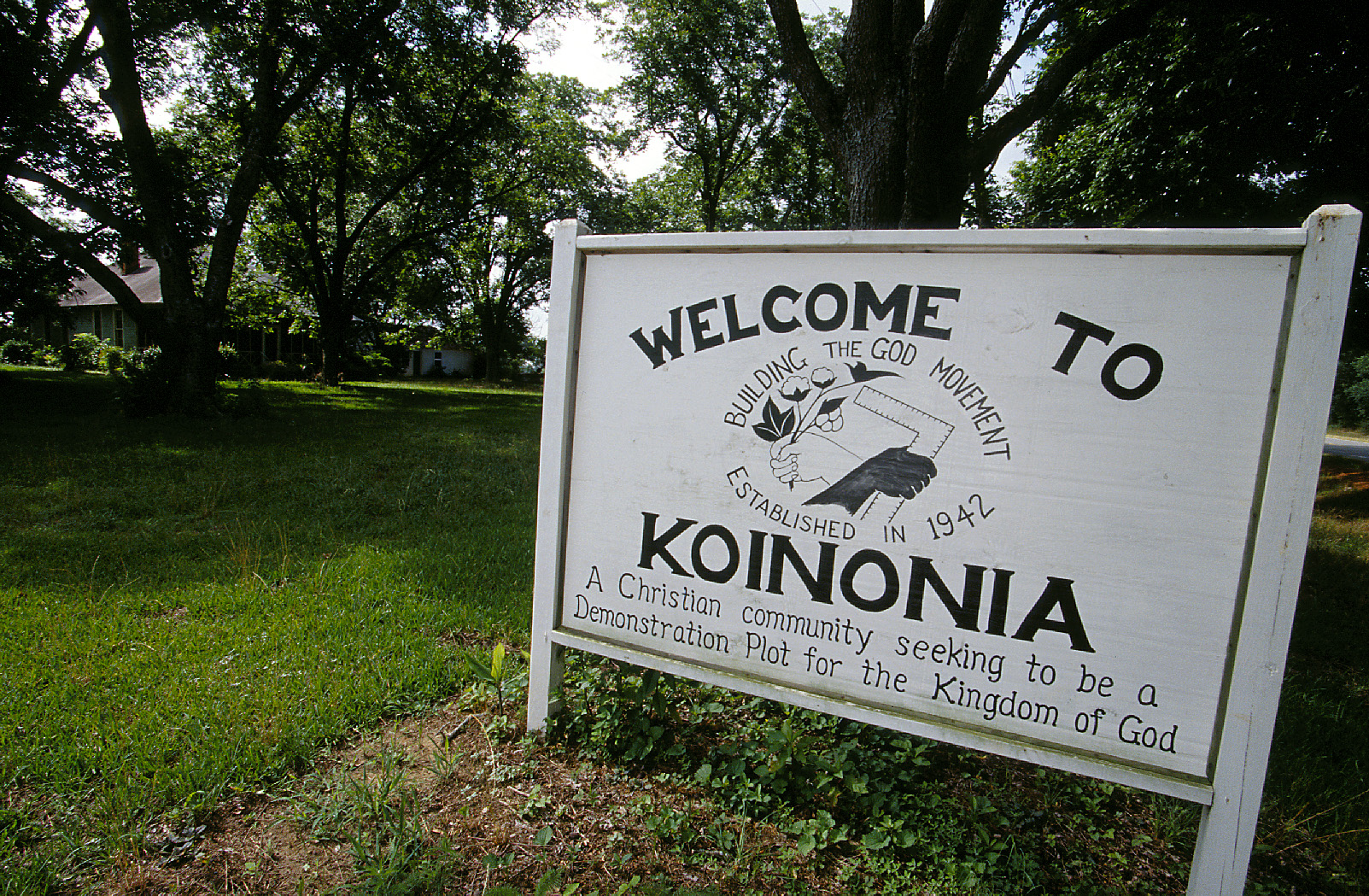
The idea that became Habitat for Humanity first grew from the fertile soil of Koinonia Farm, a community farm outside of Americus, Georgia, founded by farmer and biblical scholar Clarence Jordan.
On the farm, Jordan and Habitat’s eventual founders Millard and Linda Fuller developed the concept of “partnership housing.” The concept centered on those in need of adequate shelter working side by side with volunteers to build decent, affordable houses. The houses would be built at no profit. New homeowners’ house payments would be combined with no-interest loans provided by supporters and money earned by fundraising to create “The Fund for Humanity,” which would then be used to build more homes.
Beau and Emma were the owners of the first home built by Koinonia’s Partnership Housing Program. They and their five children moved into a concrete-block home with a modern kitchen, indoor bathroom and heating system, replacing the unpainted, uninsulated shack with no plumbing where they had previously lived.
In 1973, the Fullers decided to take the Fund for Humanity concept to Zaire, now the Democratic Republic of Congo. After three years of hard work to launch a successful house building program there, the Fullers then returned to the United States and called together a group of supporters to discuss the future of their dream: Habitat for Humanity International, founded in 1976.
More than 62 million people in countries around the world are building their futures on their own terms thanks to access to decent housing.
The times have changed, the build site locations have grown in number, but the very real change that Beau and Emma’s family experienced is shared by families today who partner with Habitat to build or improve a place they can call home. Thanks in no small part to the personal involvement of U.S. President Jimmy Carter and his wife Rosalynn and the awareness they have raised, Habitat now works in all 50 states in the U.S. and in more than 70 countries.
Habitat for Humanity's Mission Principles
- Demonstrate the love of Jesus Christ. We undertake our work to demonstrate the love and teachings of Jesus, acting in all ways in accord with the belief that God’s love and grace abound for all, and that we must be “hands and feet” of that love and grace in our world. We believe that, through faith, the miniscule can be multiplied to accomplish the magnificent, and that, in faith, respectful relationships can grow among all people.
- Focus on shelter. We have chosen, as our means of manifesting God’s love, to create opportunities for all people to live in decent, durable shelter. We put faith into action by helping to build, renovate or preserve homes, and by partnering with others to accelerate and broaden access to affordable housing as a foundation for breaking the cycle of poverty.
- Advocate for affordable housing. In response to the prophet Micah’s call to do justice, to love mercy and to walk humbly with God, we promote decent, affordable housing for all, and we support the global community’s commitment to housing as a basic human right. We will advocate for just and fair housing policy to eliminate the constraints that contribute to poverty housing. And, in all of our work, we will seek to put shelter on hearts and minds in such powerful ways that poverty housing becomes socially, politically and religiously unacceptable.
- Promote dignity and hope. We believe that no one lives in dignity until everyone can live in dignity. We believe that every person has something to contribute and something to gain from creating communities in which all people have decent, affordable places to live. We believe that dignity and hope are best achieved through equitable, accountable partnerships.
- Support sustainable and transformational development. We view our work as successful when it transforms lives and promotes positive and lasting social, economic and spiritual change within a community; when it is based on mutual trust and fully shared accomplishment; and when it demonstrates responsible stewardship of all resources entrusted to us.
Non-Proselytizing Policy
Habitat for Humanity International and its affiliated organizations will not proselytize. Nor will HFH work with entities or individuals who insist on proselytizing as part of their work with HFH. This means that HFH will not offer assistance on the expressed or implied condition that people must adhere to or convert to a particular faith, or that they listen to and respond to messaging designed to induce conversion to a particular faith.
MCHFH Staff
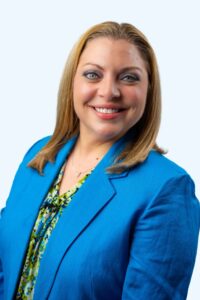
Jennifer Chappel
President/CEO
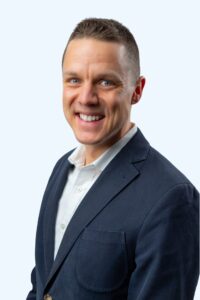
Andrew Koehlinger
Operations Manager

Kaelynn Fitak
ReStore Manager
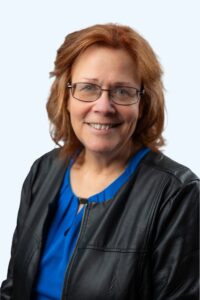
Terry Merrit
Office and Finance Coordinator
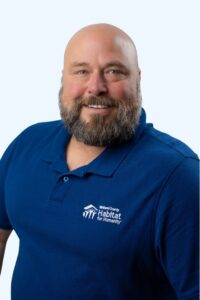
David Montgomery
Construction Manager

Katty Owens
Homeowner Services Manager
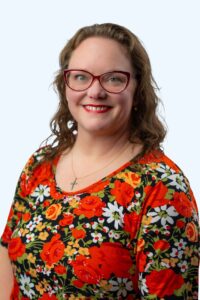
Monica Terry
Assistant ReStore Manager
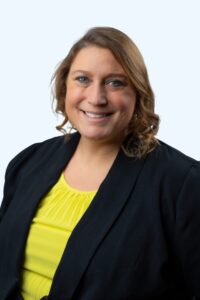
Amber Zaske
Volunteer Coordinator
Have questions or need to contact us?
Complete the form below and a representative will be in contact with you:
MCHFH BOARD MEMBERS

Linden Rogers
Board Chair
Dow
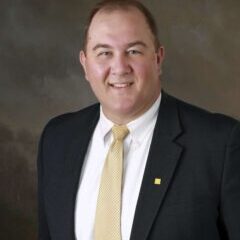
Mike Williams
Vice Chair
Isabella Bank
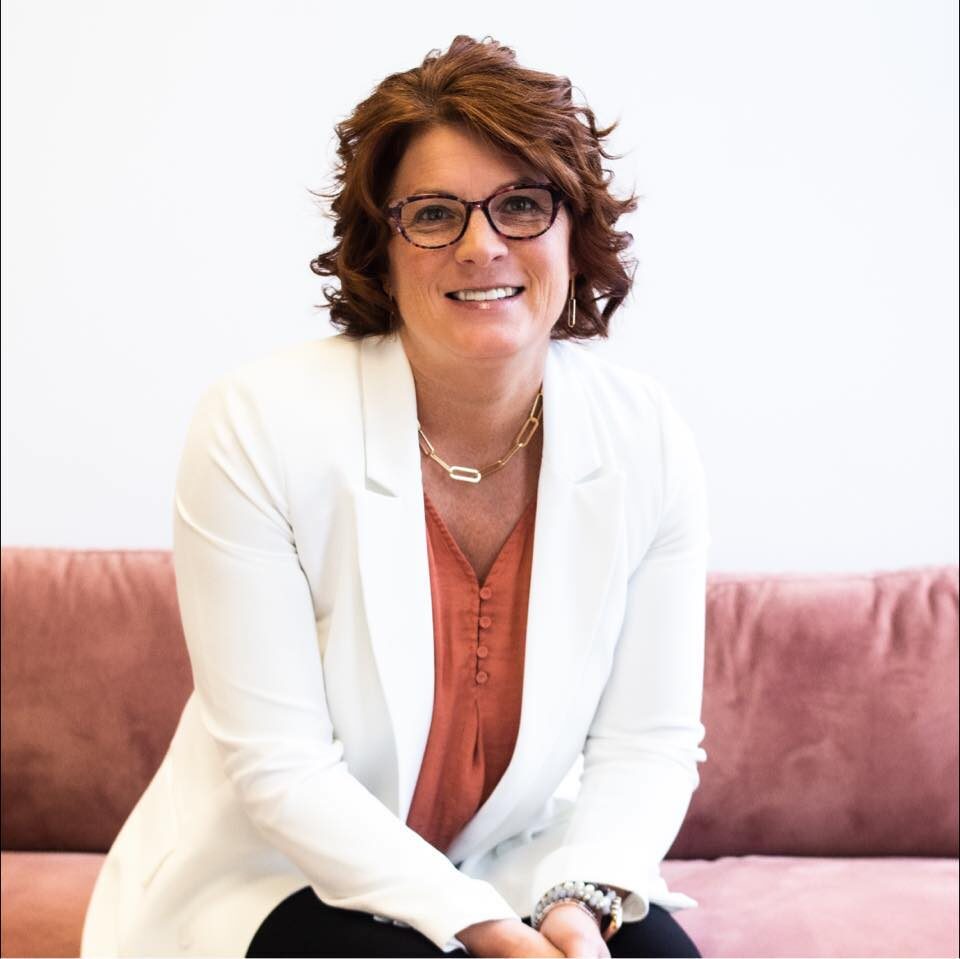
Stephanie Greene
Secretary
Greater Michigan Construction Academy
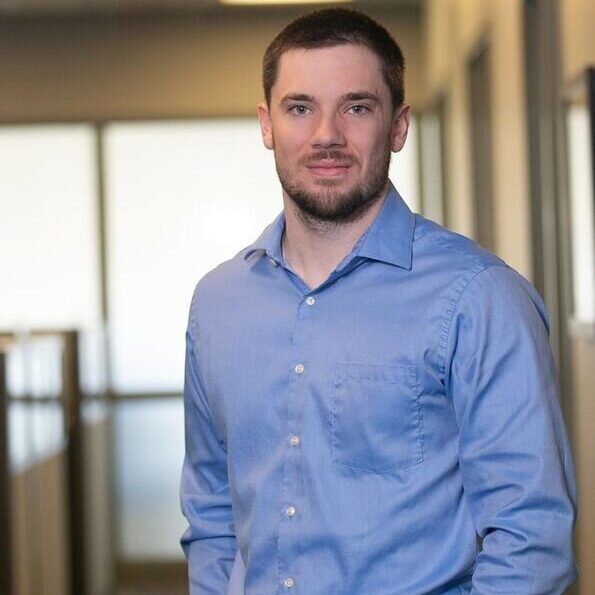
Shane Bradley
Treasurer
SYM Financial Advisors

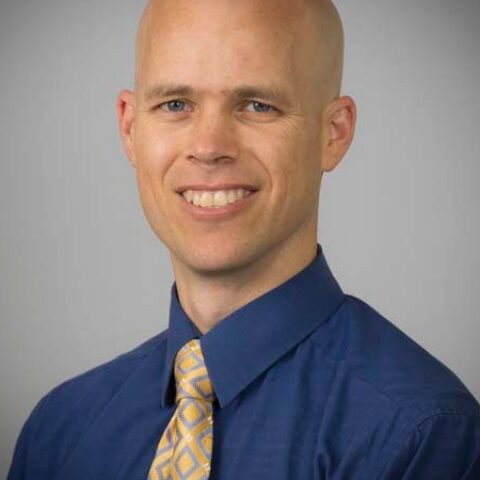
Adam Broderick
DuPont
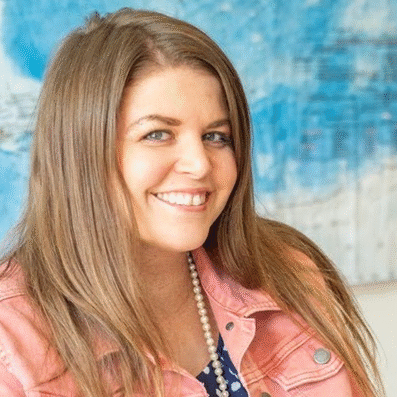
Melissa Chichester
Tony Robbins

Andy Cripe
Northwood University
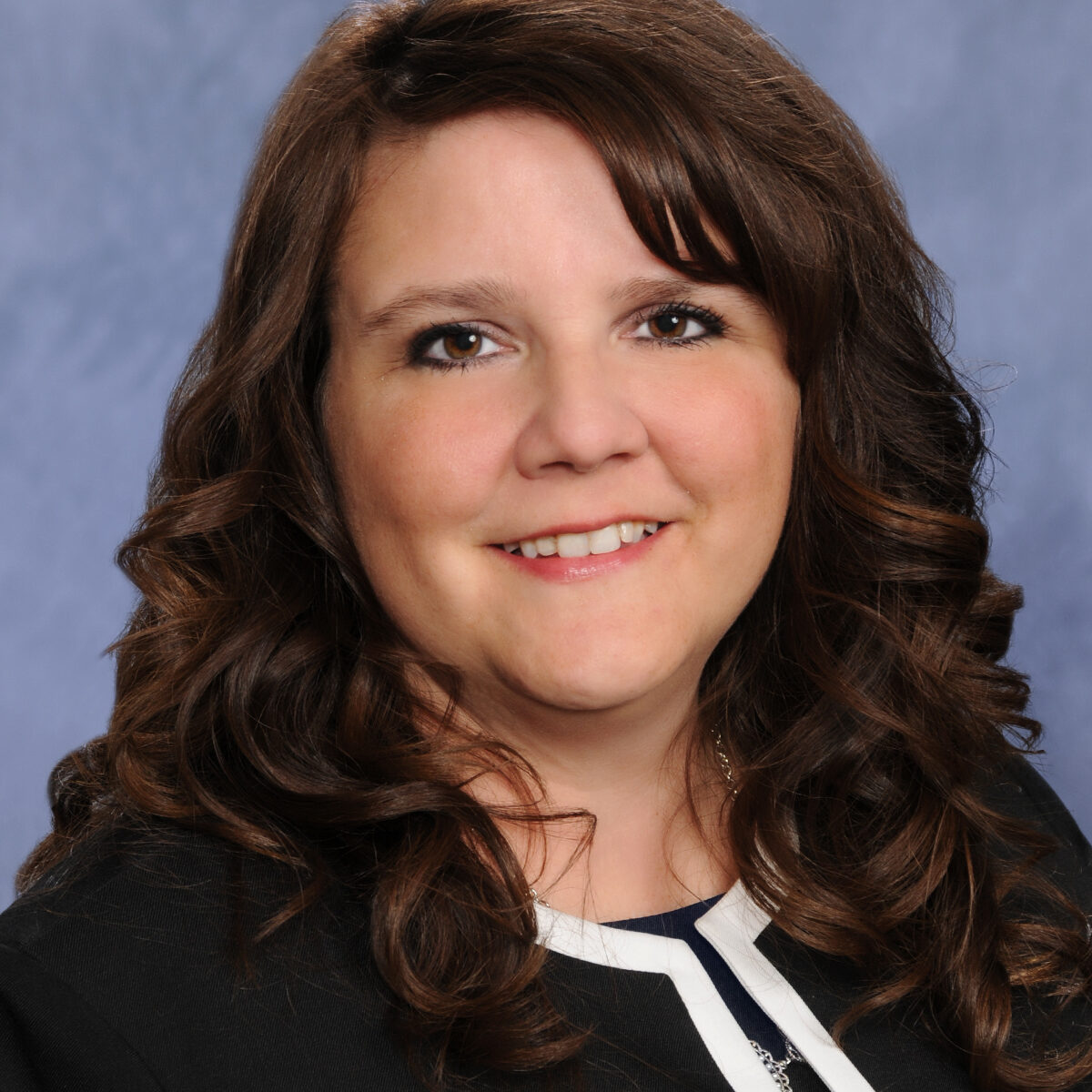
Missie Freier
1st State Bank
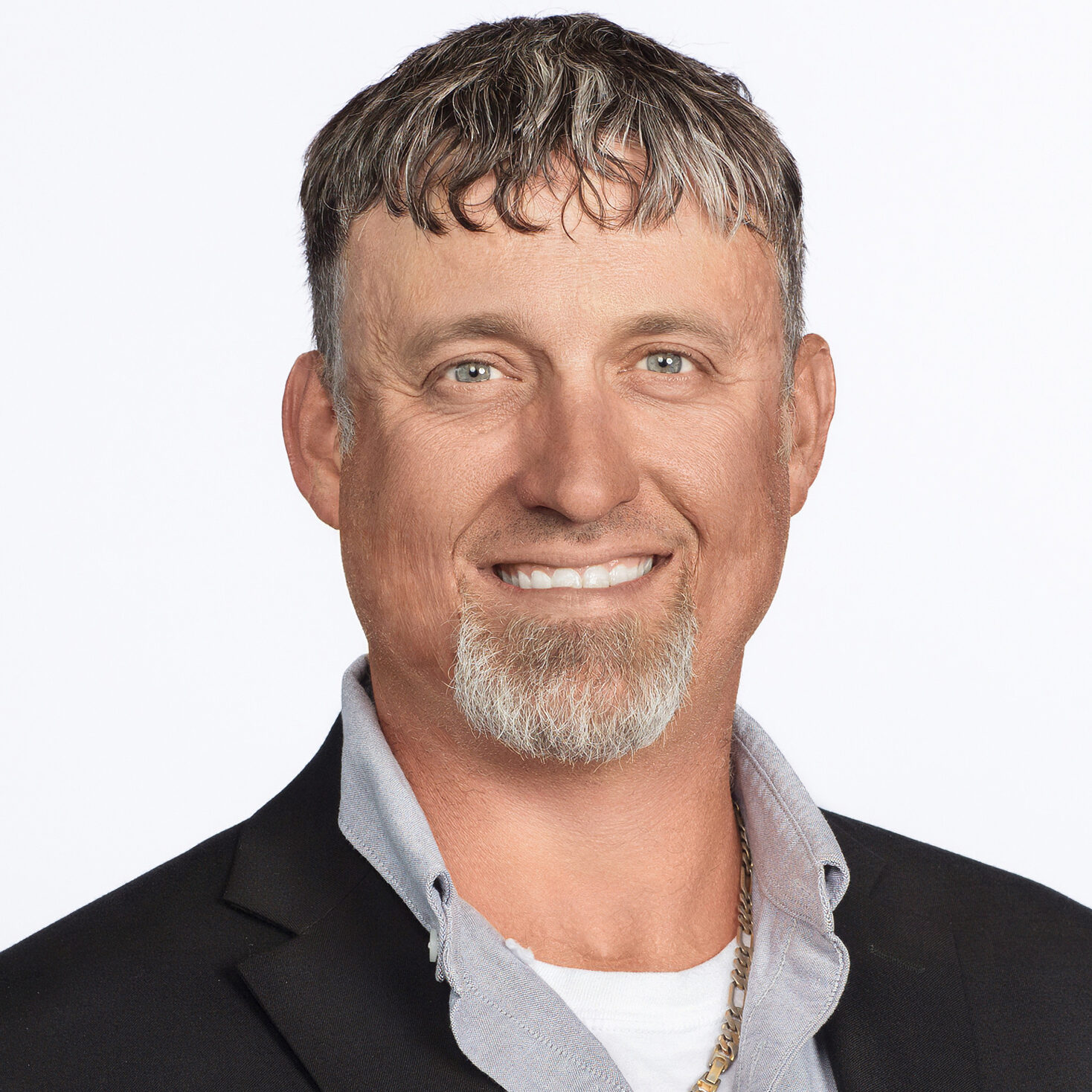
MJ Ludwig
Turner Construction
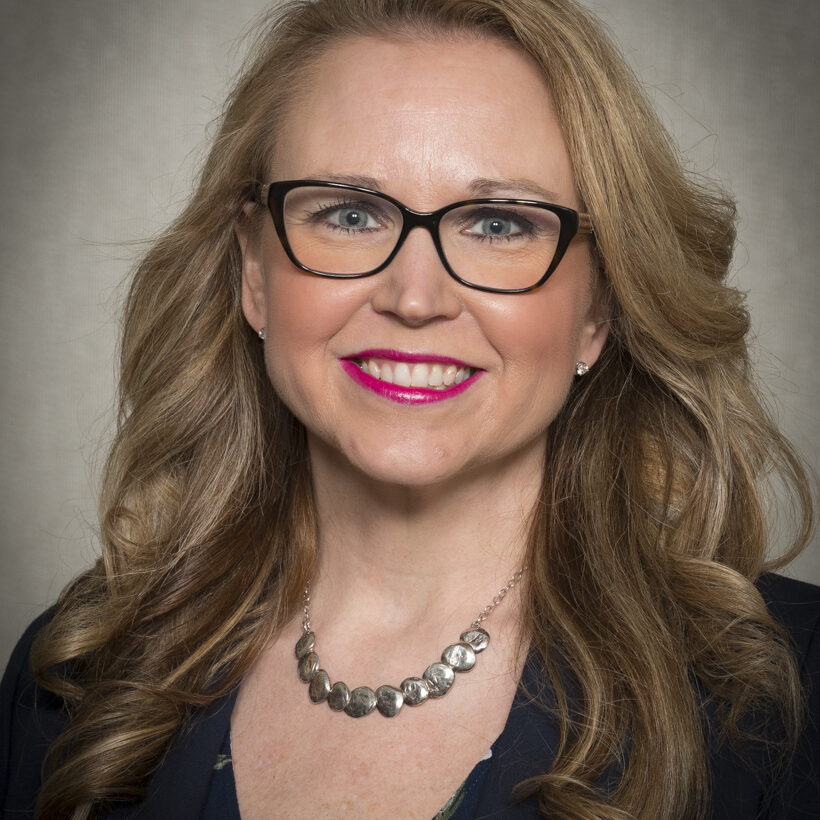
Michelle Wilkins
Dow
Career Opportunities
Click the position titles below to review the prostion descritpion and hiring details
-
ReStore: Donation Attendant